The sun might be starting to come out, but temperature’s are still very low and many homeowners are still reaching for the heating to feel warmer on those cold days.
Before turning on the heating straight away, taking a few simple steps can ensure your heating system is working efficiently.
Check Your Boiler
If your house isn’t warming up, your boiler might need servicing.
Your boiler should be serviced once a year by a qualified engineer to ensure it’s running safely and efficiently. Regular servicing helps prevent breakdowns, can spot any problems and keep your home feeling warm.
We can support with this at Better Housing Better Health, if you need support finding a trusted engineer to help.
Bleed Your Radiators
If your radiators have cold spots, particularly near the top, they may need bleeding. Air can become trapped inside radiators over time, which stops them from heating evenly.
Bleeding your radiators allows hot water to circulate properly and can help your heating system run more efficiently. This can be done at home, but if you need help try looking for a tutorial online.
Test Your Thermostat
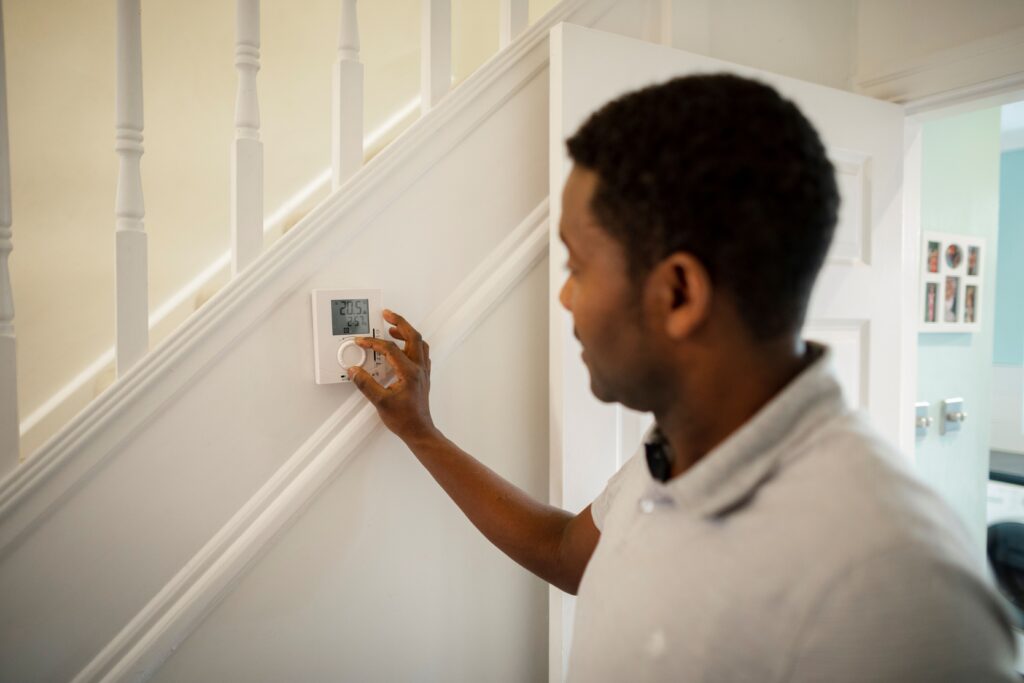
Turn the thermostat up briefly and make sure the boiler and radiators respond. Checking that your thermostat works properly will help you save energy and use your heating efficiently when it does need to go on. It also makes sure you avoid wasting energy.
Target Any Draughts
Draughts around doors, windows, and letterboxes can let warm air escape and make your home feel colder.
Simple draught-proofing measures such as seals, brushes, or draught excluders can help keep the warmth in and reduce the need for higher heating.
We can help provide these in our warm packs at BHBH, get in touch to see if you are eligible for support.
Identify Cold Rooms
Check which rooms in your home feel naturally colder than others as this can help heat more efficiently in the long run.
Identifying these colder areas early can help you adjust radiator valves, rearrange furniture to improve heat circulation, and plan more effective heating zones so warmth is distributed more evenly throughout the house.
Check for Damp & Mould
Damp and mould can become more noticeable during colder months, especially when homes are heated and windows are kept closed more often.
Check areas such as window frames, corners of rooms, behind furniture, and inside cupboards for signs of moisture or mould growth. If you find any problems, take a look at our guide to dealing with damp and mould.
Check your Insulation
Cold air escaping through poorly insulated lofts can make your home harder to heat. Adding or topping up insulation can keep heat inside and reduce energy bills.
Even small improvements like pipe insulation, draught-proofing, or reflector panels can make your heating feel more effective without disruptive renovations. Find out more about insulation here.
Support from Better Housing Better Health
If you’re struggling to keep your home warm or are concerned about energy costs this winter, Better Housing Better Health offers free and impartial advice. Our team can help you understand your options, improve your home’s energy efficiency, and access available support.
Visit bhbh.org.uk to find out more or get in touch with the team on our free helpline, 0800 107 0044.